Leading with Self-Compassion: Strength for Challenging Times
traceybc
0 Comments
October 27, 2025
Leadership in the public sector demands a lot — resilience, integrity, and a commitment to serving others, often in the face of limited resources and high expectations. Yet many leaders hold themselves to impossible standards, pushing through pressure without pausing to acknowledge their own needs.
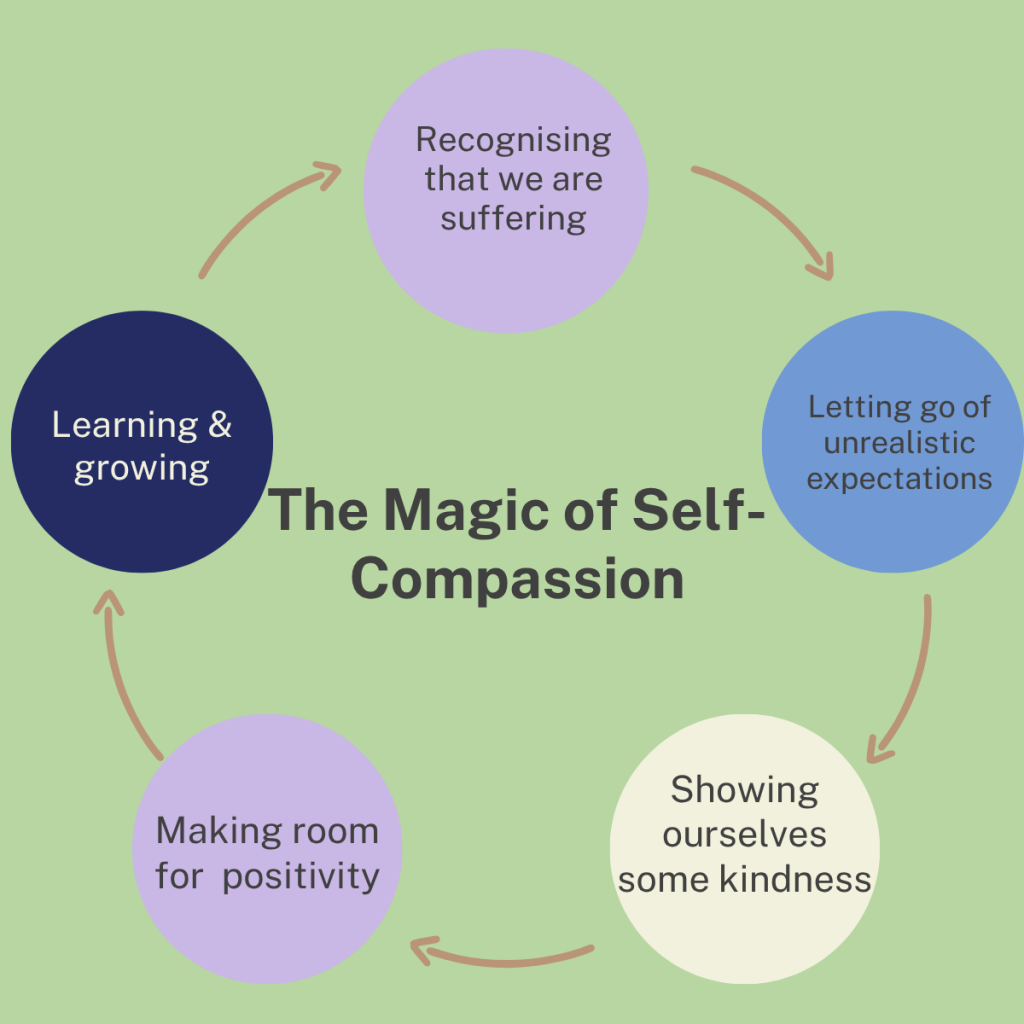
Self-compassion offers a different path. It’s not about lowering standards or avoiding accountability — it’s about creating the internal conditions that allow you to lead with clarity, steadiness, and humanity.
What Is Self-Compassion?
Dr. Kristin Neff, a leading researcher on the topic, defines self-compassion as “treating yourself with the same kindness and care you would offer to a good friend.” It rests on three core elements:
Self-kindness – responding to yourself with understanding rather than criticism.
Common humanity – recognising that challenge and imperfection are part of the shared human experience.
Mindfulness – noticing what you’re feeling without over-identifying with it or pushing it away.
When combined, these qualities support a more balanced, grounded way of leading — one that’s both effective and sustainable.
Why It Matters for Leaders
In leadership, especially in public service, compassion is often directed outward — towards teams, stakeholders, and communities. Yet leaders who neglect self-compassion risk burnout, tunnel vision, and emotional exhaustion.
Research consistently shows that self-compassion enhances emotional resilience, reduces stress, and supports wiser decision-making. Leaders who practise it are more able to recover from setbacks, maintain perspective under pressure, and model calm, authentic behaviour for their teams.
In short, self-compassion isn’t a luxury; it’s a core leadership capacity.
5 Self-Compassion Practices for Leaders
1. Notice Your Inner Critic
Public service leadership often comes with a strong sense of duty — and a relentless inner voice that says, “You should have done better.” Begin by noticing that voice. Would you speak that way to a valued colleague? Try replacing criticism with constructive, encouraging language.
2. Acknowledge the Weight You Carry
When the workload feels heavy or the decisions complex, pause to name what’s hard: “This is a difficult situation. ”Recognising the challenge brings perspective and stops stress from becoming self-judgment.
3. Remember You’re Not Alone
Leadership can feel isolating, especially in times of uncertainty. Remind yourself that all leaders face difficult moments. Shared humanity helps you move from self-blame to understanding — and opens space for connection and collaboration.
4. Ground Yourself Physically
In moments of tension, take a slow breath, drop your shoulders, or place a hand on your chest. Simple physical gestures can help regulate your nervous system and restore calm — essential for clear thinking and effective leadership.
5. Recognise Effort and Intent
Public sector work is rarely perfect. Instead of focusing solely on outcomes, take time to acknowledge your effort, values, and intentions. This helps sustain motivation and prevents perfectionism from eroding confidence.
Leading with Humanity
Self-compassion doesn’t weaken accountability or ambition — it strengthens both. By meeting yourself with kindness rather than criticism, you create the stability to respond wisely, adapt thoughtfully, and lead others with empathy.
In a sector built on service and care for others, self-compassion ensures that care begins where it must — with yourself.


Leave a Comment